





Not All Acres Are Created Equal
Ten Tips for First-Time Land Buyers
These are the ten things I often tell first-time land buyers in some form or another as I show them tracts and help them navigate making an offer and then getting the deal closed. Most have been communicated many times over the years in my RecLand Talks videos and books. Three of the last four, walking the tract, legal access, and a boundary survey, are points I seem to keep coming back to because that is where first-time buyers tend to make mistakes.
1. Before you buy, ask why you want the land, why you want it now, and what you are going to do with it.
People get caught up in the emotion of owning land. A friend or family member buys land, or you want a place to hunt or share the outdoors with your kids, and suddenly you are shopping. Stop and answer the three questions. Jonathan Goode, a top land broker in the South, and I talked about this in detail in a video, “What First Time Land Buyers Need to Know.” There are a lot of moving parts in buying land, and if you cannot answer all three, you may not be ready to commit. Write your answers down before you look at a single listing.
2. Use a title company that closes real estate for a living, not your best friend's lawyer, and not a lawyer who just does some real estate on the side of a full court schedule.
No offense to attorneys who specialize in other important matters of law, but you need timely service from people who wrangle with real property deals every day. I see people buy an expensive tract and then try to get cheap on the closing. A title company that closes real estate every day can search and insure the title, get the paperwork right, and make sure the tract is free and clear…and done in a timelier way. A lawyer with a full court schedule is likely very capable, but your deal is not top priority when she has two depositions and six other court appearances pulling on her time and attention that week. You want this purchase to be a blessing for years and never a burden. Pick a closer who does this for a living before you send the contract off for closing.
3. Get an owner's title policy (title insurance).
I have bought a lot of land, and I do not always buy title insurance. I sometimes just get a title opinion in addition to a complete title search. Don’t know what these mean? That is a good sign you are still in the “new” category of buyers and should do this! On your first tract, or a property where you intend to build a home, camp, or develop in some way, too many things can go wrong, and an owner's title policy is what can protect you if one or more of them does. If you want to understand what it covers, read the title-insurance chapter in Land Buying Tips from the Pros, written by an attorney who owns a title company.
4. Know your money plan before you fall in love with the tract. If you pay cash, the amount you have to commit is your budget. If you plan to finance, plan on about 15 to 20 percent down, and figure the payment before you write an offer.
Pick up your phone, type "how do I figure my monthly payment," and use a free financial calculator. In a couple of minutes, you will see the down payment and the monthly number. If you can make it comfortably, go shopping. If you cannot, wait and save. And NO! Just adding the interest to the balance and dividing by 12 is not your monthly payment. It’s slightly more involved than that, as you likely know, but I want to make sure.
5. Do not owner-finance your first tract. Pay cash or use conventional financing.
Sorry…I try not to tell adults, “Never do this!” Heck, you’re a grown-up and can make your own decisions, but this is my strong advice! Owner-financing and lease-purchase deals are tempting. They also carry a lot of pitfalls, and your first purchase already has plenty of moving parts that are new to you. Keep it simple. Pay cash, or buy the tract outright with a mortgage, a note, or a deed of trust, so the title has been proven, and the deed is in your name at closing. Wait until you have some proven experience before you try to expand your holdings or leverage more using seller-financed deals.
6. Get outside advice from land people who know that area. Ask a lot of questions, and do not assume the answers.
We don't know what we don't know. Pause and let the previous sentence sink in just a bit more. Before you decide, talk to land people, landowners, and real estate folks who know that area. I remember having a buyer looking at a 72-acre pine homesite tract on a blacktop road with electricity, just under a quarter mile from the water line. The buyer just assumed it would be easy to have that water line extended along the road to the tract. I made a call for him to get the details about the water. The rural water company said the extended line would come in around $12,000! That killed the deal for this buyer. Another buyer went with a well. Ask a lot of questions and make very few assumptions. Read the listing information closely, confirm things that matter, and then ask about anything it does not answer.
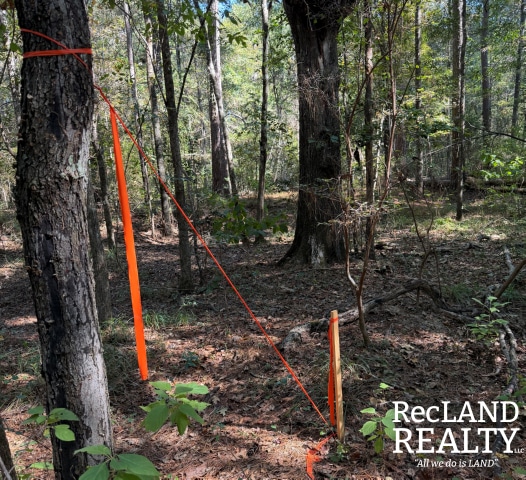
7. Walk the tract before you commit to a plan on paper.
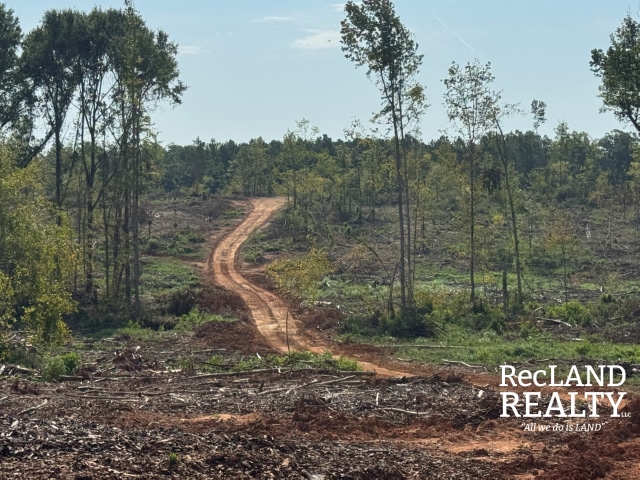
A plan on paper can look great and fall apart once you get on the ground. A good example of one of my own projects comes to mind here. We bought a 40-acre timber tract with blacktop frontage, electricity, and water. I planned to have the surveyor just divide it into four 10-acre home site parcels along the road, but then I thoroughly walked it out. The terrain and a small creek really made the four parcels impractical for home sites. I had the surveyor configure things to just make three nice parcels by working the lines around the terrain and creek issues. My plan had to change to accommodate the ground. Buying something sight-unseen seems like a cool way to use today’s digital technology, but I advise new buyers to get more experience before they try that. Walk the lines, the trails, and the low spots before you commit to plans or to making an offer. Boots on the ground still beat a picture on the internet or a view from the road.
8. Do not pay a road-front price for land that does not have legal access. A rough woods road is not the same thing as insurable access.
Legal access is half the deal for most land sales. Buyers fall in love with a map pin, a pretty aerial, and a deer stand, then find out the trail used to get to property is something a title company, the lender, or the next buyer will not hang their hat on. That can cost you twice. Lenders typically will not loan when a title policy cannot insure access, and the price must reflect that the access is neither public road frontage nor is it deeded. Before you make an offer, ask and verify whether the access is deeded and conveyable, or just "we've always used that path."
9. Get a boundary survey and have the surveyor do more than determine the acres.
Personally, I don’t always get a survey. It has always depended on many factors that are tract specific for me to decide whether a survey was needed. But the fact is I get them more now than I used to! I’ve learned that so many issues can be avoided with the investment in a survey before closing. You can get more out of it than just a certified acreage, too. The surveyor will locate and set the corners and write a legal description of the area he performed the boundary survey on. You can usually get a nice plat clearly showing the property. In addition to those basic items, he can also clearly mark all the lines, too, if you want or need that. He can get the elevation certificate you’ll need if you plan to build on the tract. Encroachments (where an adjacent owner has built or placed something that crosses the property line) can be clearly identified and formally captured on paper with the same survey. Planning to divide it? The survey work that captures the data used to determine acreage can also be expanded to lay in dividing lines you may want or need later. There is a lot of additional value you can get from a basic boundary survey. At least, you’ll know precisely how many acres you are actually buying. That “20 acres on Johnston Road” listing that you’re willing to pay $7000 an acre for may turn out to be 19.1 acres. I have learned that people tend to round acres up as time goes by. That’s a $6300 catch! Plus, you have a lot of other useful information the survey provides.
10. Buy something close enough that you will go use it and keep an eye on it.
Buy something you can drive to, walk on, improve, and keep an eye on. Being there regularly helps keep off trespassers, can prevent dumping and timber theft, and it is how you get to enjoy the place. If it is several hours away, or across the country, you may see it once a year and eventually get back to it less than that. Ignoring it can turn into the silent slide into losing it. This is more common than you think. I recently wrote an article on absentee ownership to help folks see the downside to unmanaged or neglected land.
Not all acres are created equal. Each tract requires its own careful evaluation and deliberate plans and actions on the part of a buyer – new or experienced – to help insure it is a blessing and not another set of expensive problems.
Pat Porter is the co-owner & broker of RecLand Realty located in northeast Louisiana. RecLand specializes in selling hunting land, timberland, farms, ranches, and rural home site tracts in several states in the south. This is simply practical advice offered from experience from hundreds of rural land deals we’ve been involved with over the last two decades (almost!). It is not legal, tax, or financial advice. Laws and markets differ by state. Verify with the right professionals before you act.
RecLand Realty, LLC – 2222 S. Louisa Street – Rayville, LA 71269
office@recland.net RecLand.net 318.281.4900